David Bosch Research Chair (DBRC)
A proposed collaborative research centre honouring and advancing the legacy of David Jacobus Bosch (1929–1992): missiologist, anti-apartheid theologian, and author of one of the most consequential works in twentieth-century Christian thought.
David Bosch Research Chair (DBRC)
A proposed collaborative research centre — co-established by the University of South Africa (Unisa) and Princeton Theological Seminary — to honour and advance the legacy of David Jacobus Bosch (1929–1992): missiologist, anti-apartheid theologian, and author of one of the most consequential works in twentieth-century Christian thought.
"We do this, however, not as judges or lawyers, but as witnesses; not as soldiers, but as envoys of peace; not as high-pressure salespersons, but as ambassadors of the Servant Lord."
— Bosch, Transforming Mission (1991:489)
Life & Legacy of David Bosch
A life shaped by encounter, conviction, and transformative scholarship.
David Jacobus Bosch (1929–1992) is widely regarded as one of the most significant missiologists of the twentieth century. Born in the Northern Cape, South Africa, Bosch entered the University of Pretoria in 1948 — the very year the pro-apartheid National Party assumed power. Like many Afrikaners of his generation, his early world-view was shaped by that political moment. Yet his trajectory was to become one of the most compelling testimonies of theological conversion in South African history.
At university, Bosch's encounter with Black South African Christians through the Student Christian Association became his personal Damascus. He later reflected with characteristic honesty: "Looking back now to that day, thirty years ago, I guess I can say that that was the beginning of a turning point in my life." He completed his B.D. in Theology and an M.A. in Languages at Pretoria, before pursuing doctoral studies in New Testament studies at the University of Basel under Professor Oscar Cullmann — a formative ecumenical influence.
In 1967, Bosch took up a lectureship in Church History and Missiology at the Dutch Reformed Church's (DRC) Theological School in the Transkei, training Black church leaders and forging ties with Roman Catholic and Anglican communities. By 1971, he had moved to UNISA — then South Africa's only interracial university — as Professor of Missiology, where he edited the journal Theologia Evangelica and developed the missiological framework that would culminate in his magnum opus.
Bosch was offered the prestigious Chair of Mission and Ecumenics at Princeton Theological Seminary, but declined — choosing instead to remain in South Africa and work against apartheid from within. In 1979, he co-organised the South African Christian Leadership Assembly (SACLA), gathering more than 5,000 African Christians of every background. In 1982, he helped draft and promote an open letter, signed by over 100 DRC pastors and theologians, publicly condemning apartheid and calling for ecclesial unity. He also bridged evangelical and ecumenical divides, serving both the Lausanne Congress and the World Council of Churches, and was founding editor of Missionalia, the flagship journal of the South African Missiological Society.
His 1991 masterwork, Transforming Mission: Paradigm Shifts in Theology of Mission, remains a foundational text in missiological education worldwide. Bosch died on 15 April 1992 in a road accident near Pretoria, aged 62. On Freedom Day, 27 April 2013, he was posthumously awarded South Africa's Order of the Baobab by the President of the Republic — "for his selfless struggle for equality and his dedication to community upliftment."
In Memoriam — Photographs
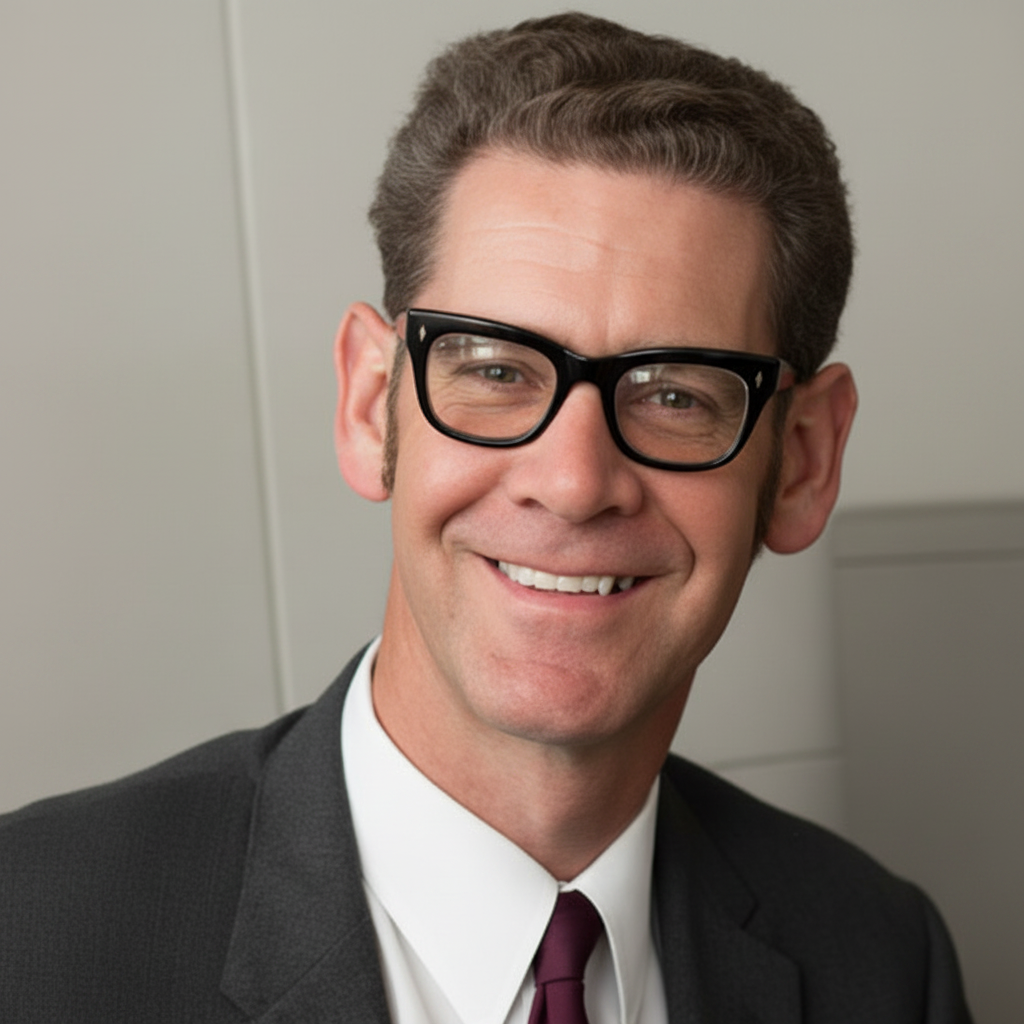
Photographs of David Jacobus Bosch across his life and ministry.
Dr. David Jacobus Bosch
Portrait · Missiologist & Theologian · University of South Africa
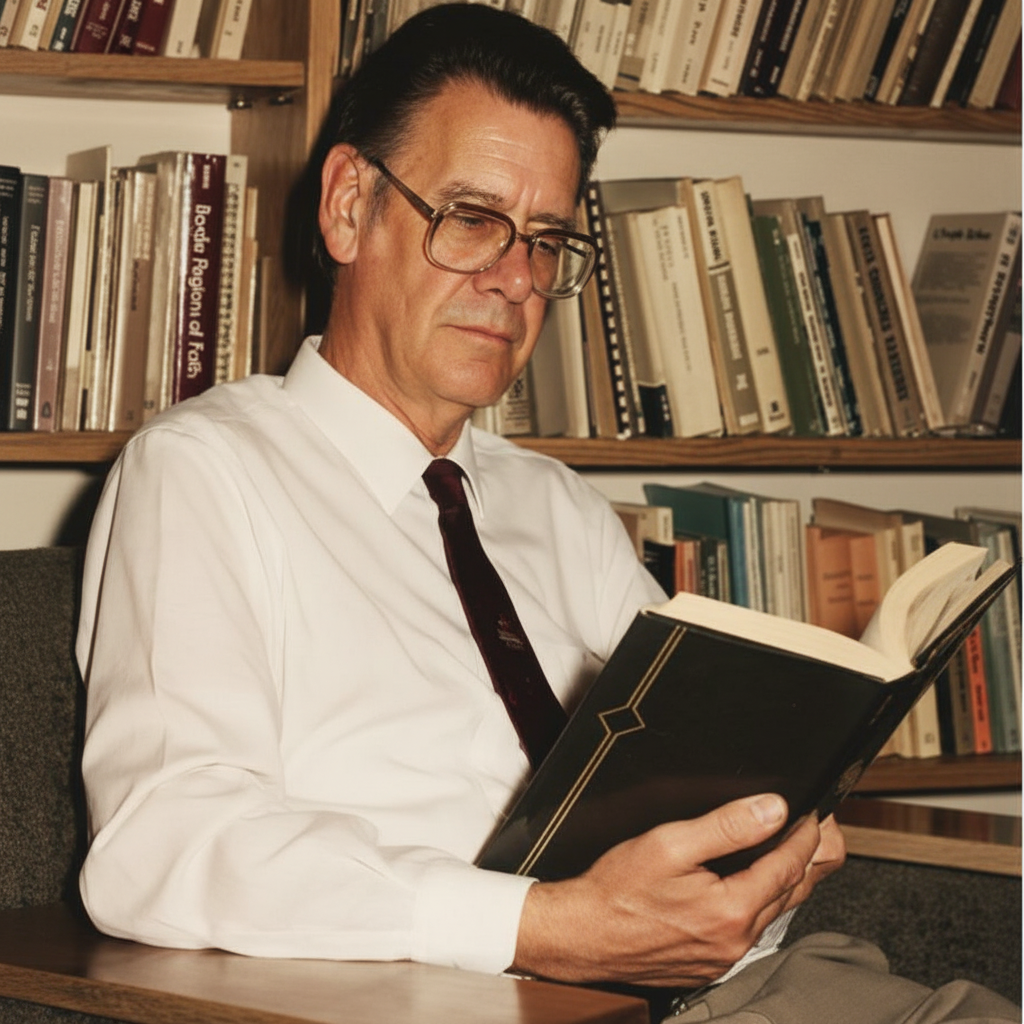
David Bosch — In His Study
Reading at his personal library · A life devoted to scholarship and mission
Chronological Timeline
Key milestones in a life of scholarship and prophetic witness.
Born in the Kuruman district, Northern Cape, South Africa.
Enrolled at the University of Pretoria — the same year the apartheid National Party came to power. Joined the Student Christian Association and began questioning racial injustice.
Completed B.D. in Theology and M.A. in Languages (Afrikaans, Dutch, German) at University of Pretoria.
Doctoral studies in New Testament at the University of Basel, Switzerland, under Professor Oscar Cullmann — a formative ecumenical influence.
Appointed lecturer in Church History and Missiology at the Dutch Reformed Church (DRC) Theological School in Transkei, training Black church leaders. Began developing his theology of mission.
Left the DRC college to become Professor of Missiology at the University of South Africa (UNISA) in Pretoria — then South Africa's only interracial university. Edited the journal Theologia Evangelica.
Co-coordinated the South African Christian Leadership Assembly (SACLA) — a gathering of over 5,000 African Christians — as a living demonstration of the church as an alternative community.
Co-authored an open letter to the DRC, signed by over 100 pastors and theologians, publicly condemning apartheid and calling for church unity.
Published Transforming Mission: Paradigm Shifts in Theology of Mission — widely regarded as the most comprehensive work in 20th-century missiology.
Died on 15 April in a road accident near Pretoria, South Africa, aged 62.
Posthumously awarded the Order of the Baobab by the President of South Africa on Freedom Day (27 April) — "for his selfless struggle for equality and his dedication to community upliftment."
The DBRC Vision & Governance Model
A proposal to co-establish a living scholarly memorial.
The David Bosch Research Chair (DBRC) is proposed as a collaborative research centre jointly governed by the University of South Africa (Unisa) and Princeton Theological Seminary — institutions whose shared commitments to education, social justice, interdisciplinary research, faith-and-scholarship integration, and ethical leadership make them natural partners in honouring Bosch's legacy.
The Centre would operate under equal governance, pooling expertise, resources, and networks to produce peer-reviewed scholarship, digital archives of Bosch's writings, international conferences, and postgraduate research support — all directed towards the contextual and transformative missiology Bosch championed.
Collaborative Governance
A joint governance structure between Unisa and Princeton Theological Seminary, with equal representation from both institutions, ensuring decisions reflect the shared commitment to contextual missiology and theological scholarship.
Shared Resources & Personnel
Pooling of research facilities, digital archives, visiting scholar programmes, and joint funding from government, international bodies, and private donors to prevent duplication and amplify scholarly output.
Interdisciplinary & Contextual Focus
Spanning theology, social sciences, humanities, and policy studies — integrating Bosch's transformative missiology with pressing contemporary challenges in Africa and the Global South.
Social Justice & Community Engagement
A core commitment to addressing poverty, inequality, reconciliation, and human rights — anchored in Bosch's lifelong refusal to separate theological scholarship from prophetic action.
Faith, Scholarship & Ethical Leadership
Fostering a generation of scholars who integrate academic rigour with spiritual depth and ethical responsibility — equipping leaders for contextual ministry and transformative public service.
Regular Evaluation & Knowledge Dissemination
Structured evaluation frameworks, peer-reviewed publications, and open-access digital outputs ensure the Centre's research reaches scholars, practitioners, and policymakers globally.
Accompanying Global Missiological Centres
International centres whose mandates accompany and extend Bosch's missiological vision.
Center for Missiological Research, Fuller Theological Seminary
Pasadena, CA, USAOne of the world's leading graduate centres for mission research; houses key Bosch-related scholarship.
Institute for Missiological and Ecumenical Research (IMER)
Pretoria, South AfricaUniversity of Pretoria — Bosch's intellectual home institution for much of his formative years.
International Missionary Cooperation Center (IMCC), Calvin Theological Seminary
Grand Rapids, MI, USAReformed missiology centre engaging transformation, justice, and world Christianity.
Pontifical Gregorian University — Department of Missiology
Rome, ItalyLeading global Catholic institution in missiological studies; comparative reference for inter-denominational dialogue.
Research Institute in Theology and Mission (RTIM)
InternationalPromotes contextual and transformative theology in the Bosch tradition.
Scholarly Works
Primary and secondary scholarly sources on Bosch and his work.
Magnum Opus
Bosch, D.J. 1991. Transforming Mission: Paradigm Shifts in Theology of Mission. Maryknoll, NY: Orbis Books.
Universally regarded as the most comprehensive survey of missiology in the 20th century. Required reading in mission studies programmes worldwide.
Publisher pageBosch, D.J. 1959. Die Heidensending in die Skrif. Pretoria: N.G. Kerkboekhandel.
Bosch, D.J. 1980. Witness to the World: The Christian Mission in Theological Perspective. London: Marshall, Morgan & Scott.
Bosch, D.J. 1995. Believing in the Future: Toward a Missiology of Western Culture. Valley Forge, PA: Trinity Press International.
Bosch, D.J. 1982. "In Search of a New Evangelical Understanding." In W. Shenk (ed.), Exploring Church Growth. Grand Rapids: Eerdmans.
Bosch, D.J. 1983. "Nothing but a Heresy." In J. de Gruchy & C. Villa-Vicencio (eds.), Apartheid is a Heresy. Grand Rapids: Eerdmans.
Bosch, D.J. 1984. "Mission in Jesus' Way: A Perspective from Luke's Gospel." Missionalia, 17(1):3–21.
Bosch, D.J. 1987. "Evangelism: Theological Currents and Cross-Currents Today." International Bulletin of Missionary Research, 11(3):98–103.
Bosch, D.J. 1988. "Church Growth Missiology." Missionalia, 16(1):13–24.
Bosch, D.J. 1989. "Mission and the Alternative Community." Journal of Theology for Southern Africa, 41(1):3–16.
Bosch, D.J. 1991. "Reflections on Biblical Models of Mission." In J. Bonk (ed.), The Mission of the Church in the World. Grand Rapids: Baker.
Bosch, D.J. & Saayman, W. (eds.) 1990. Mission in Bold Humility: David Bosch's Work Considered. Maryknoll, NY: Orbis Books.
Saayman, W. & Kritzinger, K. (eds.) 1996. Mission in Bold Humility: David Bosch's Work Considered. Maryknoll, NY: Orbis Books.
Kritzinger, J.N.J. 2008. "Faith and Action: Studying Mission as a Living Human Document." Missionalia, 36(2–3):163–204.
Bevans, S. & Schroeder, R. 2004. Constants in Context: A Theology of Mission for Today. Maryknoll, NY: Orbis Books.
Builds extensively on Bosch's paradigm framework.
Shenk, W.R. 2002. "David J. Bosch: Apostle of Transforming Mission." International Bulletin of Missionary Research, 26(4):175–179.
Goheen, M.W. 2011. A Light to the Nations: The Missional Church and the Biblical Story. Grand Rapids: Baker Academic.
Engages Bosch's missional paradigm in canonical perspective.
Walls, A. 2002. The Cross-Cultural Process in Christian History. Maryknoll, NY: Orbis Books.
Situates Bosch within global Christianity discourse.
Flett, J.G. 2010. The Witness of God: The Trinity, Missio Dei, Karl Barth, and the Nature of Christian Community. Grand Rapids: Eerdmans.
Engages Bosch's missio Dei framing critically.
Nel, M. 2015. "David Bosch's Contribution to Missiology in the South African Context." Verbum et Ecclesia, 36(1): Art. 1344.
The Founding Inspiration of Open-Door University South Africa
ODU.SA as a continuation of Bosch's missiological vision.
The establishment of Open-Door University South Africa (ODU.SA) must be understood not as the solitary initiative of any single individual, but rather as a scholarly and institutional response to the enduring intellectual legacy of Professor David Jacobus Bosch. Bosch dedicated his life's work to redefining humanity's participation in God's mission (missio Dei), and his scholarship continues to inspire generations of theologians, missiologists, and peace practitioners. It is within this intellectual lineage that ODU.SA finds its foundational vision — a university envisioned as a platform for advancing Bosch's call for a transforming mission: one that imagines peace-centred human communities and just societies, contextualised within the challenges of the twenty-first century.
A closer reading of Bosch's scholarship reveals that his missiological vision was never merely theoretical. He stood firmly against the injustices of apartheid, insisting that mission be lived as a praxis of peace, racial justice, and reconciliation — famously declining the Chair of Mission and Ecumenics at Princeton Theological Seminary to remain in South Africa, reasoning that "I don't think I can leave my colleagues and the struggle in South Africa. It is a critical moment and that is where God has placed me." This refusal to retreat to the "balcony" of detached observation, in favour of the "road" of solidarity with the oppressed, exemplifies the theology in action that ODU.SA seeks to carry forward.
Dr. Jonas Sello Thinane's Contribution
Within this framework, Dr. Jonas Sello Thinane — an NRF-rated missiologist and Research Fellow at the University of Pretoria — serves as ODU.SA's Director-Designate, coordinating ODU.SA's projects in alignment with the United Nations Peace Missions and facilitating key relationships between ODU.SA and a wide range of UN Peace Mission and education partners. His scholarship (2022–2026) has developed Missio Hominum, a missiological framework linking humanity's mission to the representation of the Imago Dei, extending Bosch's vision into contemporary debates on justice, peace, and reconciliation. His related development of Missio Politica — inspired by Professor Johannes Reimer's Missio Politica: The Mission of Church and Politics — further reflects on the intersection of faith, politics, and peace, insisting that the church can act as a transforming presence in society without compromising its spiritual mission.
The founding of ODU.SA is thus best understood as a continuation and contextualisation of Professor David Bosch's missiological vision — the institutional embodiment of a theological tradition that insists on reconciliation, justice, and peace as the essence of humanity's participation in God's mission. Through the contributions of Dr. Thinane and others, ODU.SA seeks to carry forward Bosch's prophetic call, ensuring that missiology remains a living, transformative force in both local and global contexts.
David Bosch's Contemporaries in Missiology
The scholars who shaped — and were shaped by — the paradigm-shifting era of late 20th-century missiology.
Throughout his career, David Bosch interacted, debated, and collaborated with a distinct generation of global and South African scholars who shaped modern missiology. Although some — or their mission theories — differed by various measurable degrees from Bosch's own positions (perhaps as it should be the case in academia), most if not all of them still, in one way or another, saw and continue to regard him as the game-changer in the field of missiology.
In addition to being the foundational force behind the "Paradigm Shift" in missiology and navigating the intersection of mission with human life-realities, Bosch is also credited as the influential figure behind the founding of key organisations such as the South African Missiological Society (SAMS). Consequently, throughout his academic career, he attracted a healthy collaboration with a distinct generation of scholars who have — or continue to — shape modern missiology.
Although the list of such key figures remains inexhaustible, the following names provide a representative portrait of the rich intellectual ecosystem within which Bosch worked, grouped under their primary ecclesial or geographic traditions. Each entry is presented in chronological order, with a brief biography and accessible links for further study.
South African Contemporaries
Willem A. Saayman
1944–2015
University of South Africa (UNISA)
South African Missiologist · UNISA Professor
Close academic colleague at UNISA who co-authored works evaluating Bosch's legacy and furthered South African contextual missiology.
J.N.J. "Klippies" Kritzinger
b. 1948
University of South Africa (UNISA)
Emeritus Professor of Missiology · UNISA
Student and later colleague of Bosch who helped pioneer "encounterology" and transformative contextual mission in South Africa.

G.C. Oosthuizen
1922–2005
University of Durban-Westville
South African Missiologist · Expert on AICs
A prominent South African missiologist who focused extensively on African Indigenous Churches (AICs) during the same era.
Protestant Contemporaries (Global)
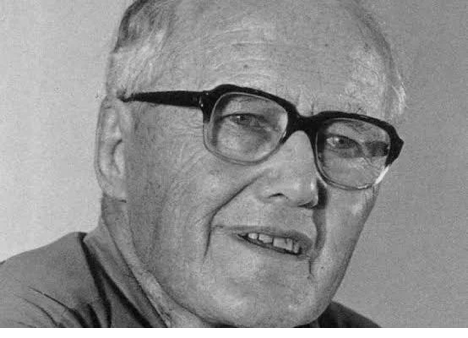
Lesslie Newbigin
1909–1998
Church of South India · WCC
British Theologian · Bishop · WCC Leader
Major advocate for Bosch's work, famously endorsing Transforming Mission as a "Summa Missiologica."
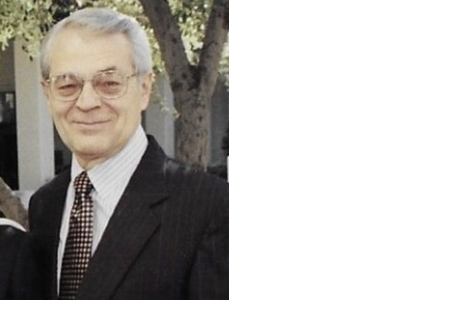
Wilbert R. Shenk
1935–2021
Fuller Theological Seminary
American Mennonite Missiologist · Fuller Seminary
Close colleague who edited several missiological series alongside Bosch and championed mission history.

Andrew Walls
1928–2021
University of Edinburgh · Liverpool Hope
Pioneer of World Christianity · Edinburgh
Pioneer in World Christianity whose work on the cultural shifting of Christianity directly complemented Bosch's mission paradigms.
Orlando Costas
1942–1987
Andover Newton · Palmer Seminary
Puerto Rican Missiologist · Contextual Theologian
Championed contextual theology from a Latin American perspective, focusing on mission from the periphery and the poor.
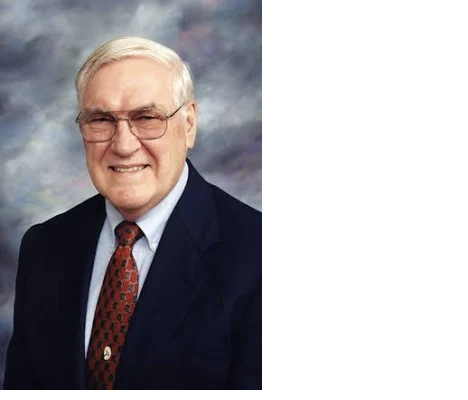
Charles H. Kraft
b. 1932
Fuller Theological Seminary
Anthropologist & Missiologist · Fuller Seminary
Developed theories on contextualisation and communication that intersected with Bosch's paradigm framework.
Evangelical Contemporaries

Ralph D. Winter
1924–2009
U.S. Center for World Mission · Fuller
Founder · U.S. Center for World Mission
Popularised "unreached people groups" at the 1974 Lausanne Congress, an event in which Bosch also participated.
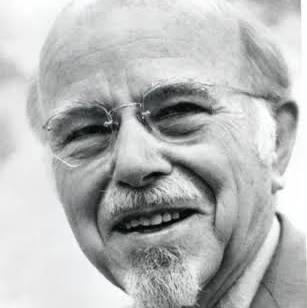
Donald McGavran
1897–1990
Fuller Theological Seminary
Founding Dean · Fuller School of World Mission
Father of the Church Growth Movement. Represented the pragmatic school that Bosch critically but respectfully engaged.

John Stott
1921–2011
All Souls Church · Lausanne Movement
Anglican Theologian · Lausanne Covenant Architect
Chief architect of the Lausanne Covenant who worked to reconcile evangelism and social responsibility — a core Bosch theme.
Roman Catholic Contemporaries
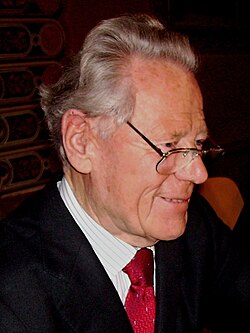
Hans Küng
1928–2021
University of Tübingen
Swiss Catholic Theologian · Tübingen
Deeply influenced Bosch's methodology. Bosch adapted Küng's application of Thomas Kuhn's paradigm shift theory.
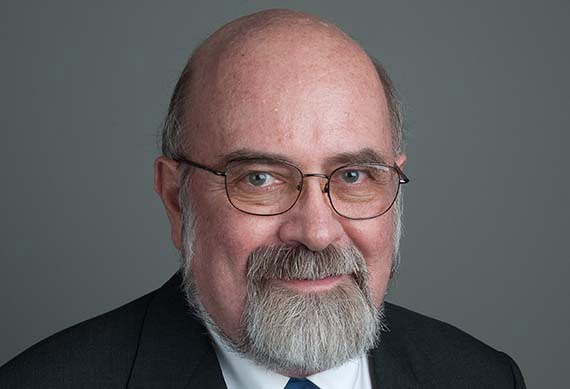
Robert Schreiter
1947–2021
Catholic Theological Union · Chicago
Catholic Theologian · Local Theologies Pioneer
His missiology deeply mirrored Bosch's holistic view of church integration in a post-colonial era.

Lucien Richard
Contemporary
Boston University · OMI
Catholic Scholar · Ministry of Reconciliation
Wrote extensively on reconciliation theology, complementing the Catholic dimension of Bosch's ecumenical vision.
A Living Conversation
The missiological conversation that Bosch participated in — and in many ways defined — continues across continents, traditions, and generations. These contemporaries, each in their own way, contributed to a body of scholarship that insists mission is not merely one activity of the church among many, but the very heartbeat of God's engagement with the world.
"Mission is not primarily an activity of the church, but an attribute of God." — David J. Bosch (1991:390)
Reference List
All sources cited on this page, formatted in accordance with academic referencing conventions.
Works by David Bosch
Bosch, D.J. 1959. Die Heidensending in die Skrif. Pretoria: N.G. Kerkboekhandel.
Bosch, D.J. 1979. A Spirituality of the Road. Scottdale: Herald Press. Link
Bosch, D.J. 1980. Witness to the World: The Christian Mission in Theological Perspective. London: Marshall, Morgan & Scott.
Bosch, D.J. 1991. Transforming Mission: Paradigm Shifts in Theology of Mission. Maryknoll, NY: Orbis Books. Link
Bosch, D.J. 1995. Believing in the Future: Toward a Missiology of Western Culture. Valley Forge, PA: Trinity Press International.
Bosch, D.J. 1982. "In Search of a New Evangelical Understanding." In W. Shenk (ed.), Exploring Church Growth. Grand Rapids: Eerdmans.
Bosch, D.J. 1983. "Nothing but a Heresy." In J. de Gruchy & C. Villa-Vicencio (eds.), Apartheid is a Heresy. Grand Rapids: Eerdmans.
Bosch, D.J. 1984. "Mission in Jesus' Way: A Perspective from Luke's Gospel." Missionalia, 17(1):3–21.
Bosch, D.J. 1987. "Evangelism: Theological Currents and Cross-Currents Today." International Bulletin of Missionary Research, 11(3):98–103.
Bosch, D.J. 1988. "Church Growth Missiology." Missionalia, 16(1):13–24.
Bosch, D.J. 1989. "Mission and the Alternative Community." Journal of Theology for Southern Africa, 41(1):3–16.
Bosch, D.J. 1991. "Reflections on Biblical Models of Mission." In J. Bonk (ed.), The Mission of the Church in the World. Grand Rapids: Baker.
Bosch, D.J. & Saayman, W. (eds.) 1990. Mission in Bold Humility: David Bosch's Work Considered. Maryknoll, NY: Orbis Books.
Secondary & Related Works
Saayman, W. & Kritzinger, K. (eds.) 1996. Mission in Bold Humility: David Bosch's Work Considered. Maryknoll, NY: Orbis Books. Link
Kritzinger, J.N.J. 2008. "Faith and Action: Studying Mission as a Living Human Document." Missionalia, 36(2–3):163–204.
Bevans, S. & Schroeder, R. 2004. Constants in Context: A Theology of Mission for Today. Maryknoll, NY: Orbis Books. Link
Shenk, W.R. 2002. "David J. Bosch: Apostle of Transforming Mission." International Bulletin of Missionary Research, 26(4):175–179.
Goheen, M.W. 2011. A Light to the Nations: The Missional Church and the Biblical Story. Grand Rapids: Baker Academic.
Walls, A. 2002. The Cross-Cultural Process in Christian History. Maryknoll, NY: Orbis Books. Link
Bosch Legacy. Dictionary of African Christian Biography (DACB). Online resource. Link
Adventist Encyclopedia: David Bosch. Online resource. Link
Flett, J.G. 2010. The Witness of God: The Trinity, Missio Dei, Karl Barth, and the Nature of Christian Community. Grand Rapids: Eerdmans.
Nel, M. 2015. "David Bosch's Contribution to Missiology in the South African Context." Verbum et Ecclesia, 36(1): Art. 1344.
Online & Institutional Resources
Dictionary of African Christian Biography (DACB). "Bosch Legacy." Available at: https://dacb.org/stories/southafrica/bosch-legacy/ [Accessed 2024]. Link
Adventist Encyclopedia. "David Bosch." Available at: https://encyclopedia.adventist.org/article?id=27XY [Accessed 2024]. Link
Fuller Theological Seminary. Center for Missiological Research. Available at: https://www.fuller.edu/school-of-mission-and-theology/center-for-missiological-research/ [Accessed 2024]. Link
Calvin Theological Seminary. International Missionary Cooperation Center. Available at: https://calvinseminary.edu/imcc/ [Accessed 2024]. Link
Pontifical Gregorian University. Department of Missiology. Available at: https://www.unigre.it/en/missiology/ [Accessed 2024]. Link
Research Institute in Theology and Mission (RTIM). Available at: https://rtim.org/institute/ [Accessed 2024]. Link
Gordon-Conwell Theological Seminary. Center for the Study of Global Christianity. Available at: https://www.gordonconwell.edu/center-for-global-christianity/ [Accessed 2024]. Link
Carry the Legacy Forward
The David Bosch Research Chair is a living proposal — open to collaboration, critique, and co-development by scholars, institutions, and practitioners committed to contextual missiology, social justice, and transformative theology.
"Mission is not primarily an activity of the church, but an attribute of God." — David J. Bosch (1991:390)
David Bosch's Contemporaries in Missiology
The scholars who shaped — and were shaped by — the paradigm-shifting era of late 20th-century missiology.
Throughout his career, David Bosch interacted, debated, and collaborated with a distinct generation of global and South African scholars who shaped modern missiology. Although some — or their mission theories — differed by various measurable degrees from Bosch's own positions (perhaps as it should be the case in academia), most if not all of them still, in one way or another, saw and continue to regard him as the game-changer in the field of missiology.
In addition to being the foundational force behind the "Paradigm Shift" in missiology and navigating the intersection of mission with human life-realities, Bosch is also credited as the influential figure behind the founding of key organisations such as the South African Missiological Society (SAMS). Consequently, throughout his academic career, he attracted a healthy collaboration with a distinct generation of scholars who have — or continue to — shape modern missiology.
Although the list of such key figures remains inexhaustible, the following names provide a representative portrait of the rich intellectual ecosystem within which Bosch worked, grouped under their primary ecclesial or geographic traditions. Each entry is presented in chronological order, with a brief biography and accessible links for further study.
South African Contemporaries
Willem A. Saayman
1944–2015
University of South Africa (UNISA)
South African Missiologist · UNISA Professor
Close academic colleague at UNISA who co-authored works evaluating Bosch's legacy and furthered South African contextual missiology.
J.N.J. "Klippies" Kritzinger
b. 1948
University of South Africa (UNISA)
Emeritus Professor of Missiology · UNISA
Student and later colleague of Bosch who helped pioneer "encounterology" and transformative contextual mission in South Africa.
G.C. Oosthuizen
1922–2005
University of Durban-Westville
South African Missiologist · Expert on AICs
A prominent South African missiologist who focused extensively on African Indigenous Churches (AICs) during the same era.
Protestant Contemporaries (Global)
Lesslie Newbigin
1909–1998
Church of South India · WCC
British Theologian · Bishop · WCC Leader
Major advocate for Bosch's work, famously endorsing Transforming Mission as a "Summa Missiologica."
Wilbert R. Shenk
1935–2021
Fuller Theological Seminary
American Mennonite Missiologist · Fuller Seminary
Close colleague who edited several missiological series alongside Bosch and championed mission history.
Andrew Walls
1928–2021
University of Edinburgh · Liverpool Hope
Pioneer of World Christianity · Edinburgh
Pioneer in World Christianity whose work on the cultural shifting of Christianity directly complemented Bosch's mission paradigms.
Orlando Costas
1942–1987
Andover Newton · Palmer Seminary
Puerto Rican Missiologist · Contextual Theologian
Championed contextual theology from a Latin American perspective, focusing on mission from the periphery and the poor.
Charles H. Kraft
b. 1932
Fuller Theological Seminary
Anthropologist & Missiologist · Fuller Seminary
Developed theories on contextualisation and communication that intersected with Bosch's paradigm framework.
Evangelical Contemporaries
Ralph D. Winter
1924–2009
U.S. Center for World Mission · Fuller
Founder · U.S. Center for World Mission
Popularised "unreached people groups" at the 1974 Lausanne Congress, an event in which Bosch also participated.
Donald McGavran
1897–1990
Fuller Theological Seminary
Founding Dean · Fuller School of World Mission
Father of the Church Growth Movement. Represented the pragmatic school that Bosch critically but respectfully engaged.
John Stott
1921–2011
All Souls Church · Lausanne Movement
Anglican Theologian · Lausanne Covenant Architect
Chief architect of the Lausanne Covenant who worked to reconcile evangelism and social responsibility — a core Bosch theme.
Roman Catholic Contemporaries
Hans Küng
1928–2021
University of Tübingen
Swiss Catholic Theologian · Tübingen
Deeply influenced Bosch's methodology. Bosch adapted Küng's application of Thomas Kuhn's paradigm shift theory.
Robert Schreiter
1947–2021
Catholic Theological Union · Chicago
Catholic Theologian · Local Theologies Pioneer
His missiology deeply mirrored Bosch's holistic view of church integration in a post-colonial era.
Lucien Richard
Contemporary
Boston University · OMI
Catholic Scholar · Ministry of Reconciliation
Wrote extensively on reconciliation theology, complementing the Catholic dimension of Bosch's ecumenical vision.
A Living Conversation
The missiological conversation that Bosch participated in — and in many ways defined — continues across continents, traditions, and generations. These contemporaries, each in their own way, contributed to a body of scholarship that insists mission is not merely one activity of the church among many, but the very heartbeat of God's engagement with the world.
"Mission is not primarily an activity of the church, but an attribute of God." — David J. Bosch (1991:390)